
Sydney’s AI community came together for an inspiring event at Microsoft Reactor Sydney, drawing over 120 passionate participants. The day was a dynamic mix of thought-provoking sessions and vibrant discussions.
We had a wide range of attendees, including data engineers, architects, business leaders, analysts, student university professors, etc. It was nice to see many familiar faces.
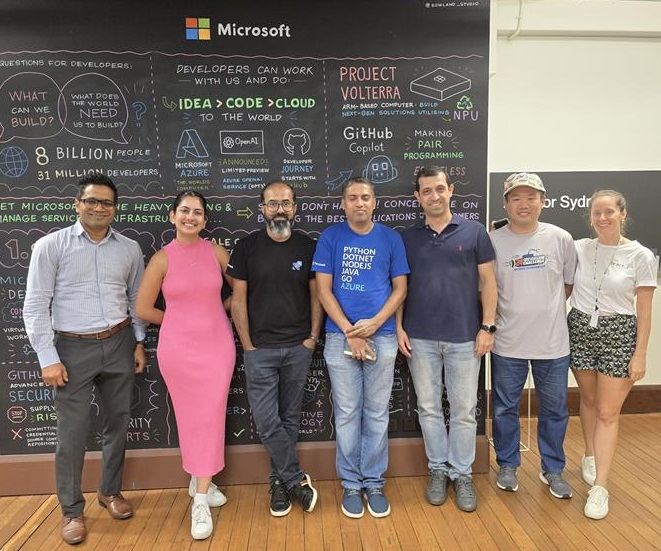


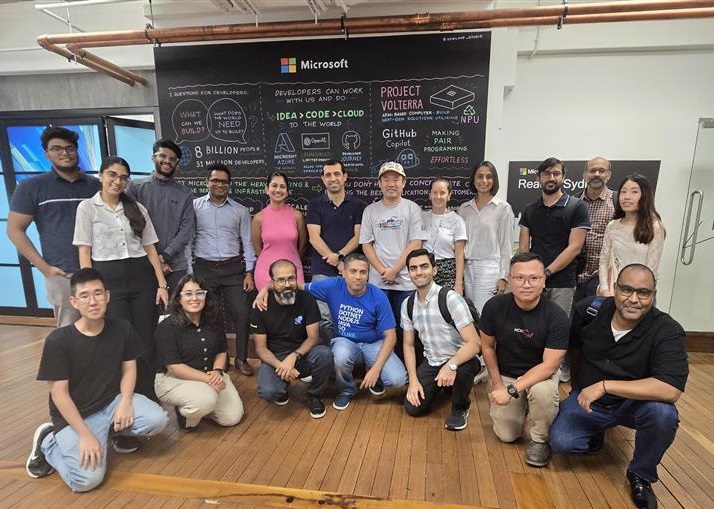
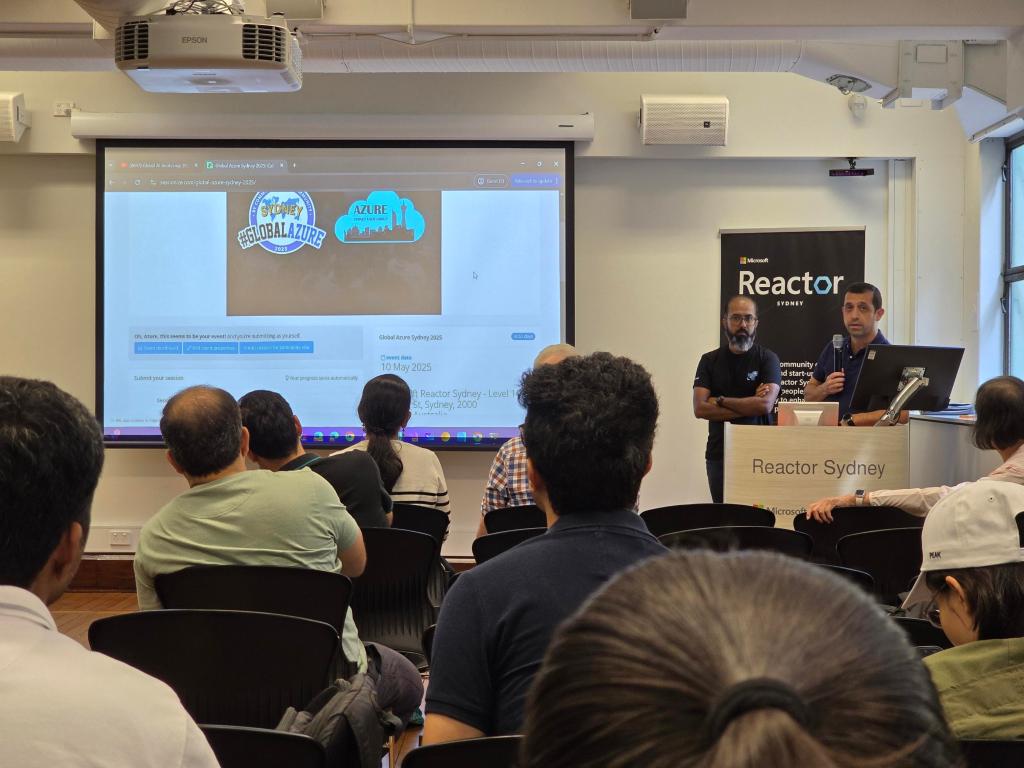

Model Agnostic AI Implementation
The topic of my presentation was “Model Agnostic AI Implementation.“
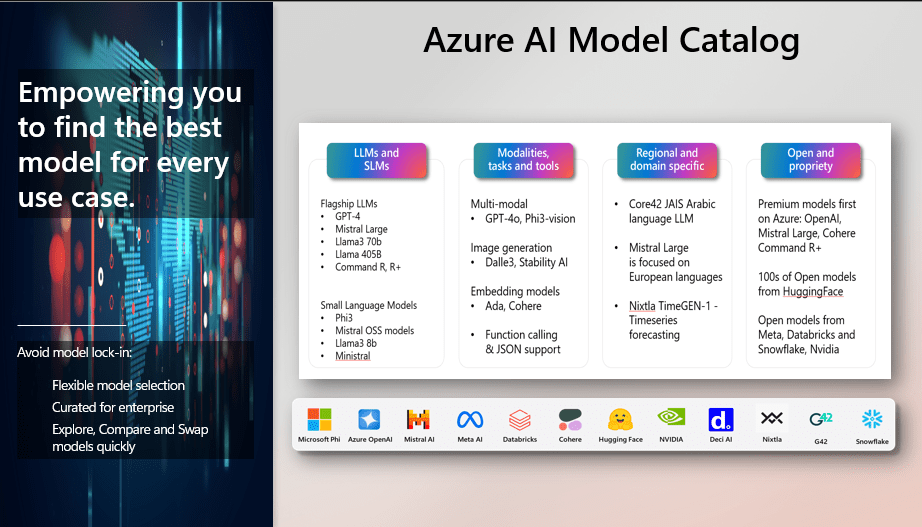
Synopsis: Choosing a particular AI Model or API can be time-consuming and challenging when designing and implementing an AI solution. Even Azure AI Foundry has over 1800+ AI models, which can be overwhelming. At a point in time, the model’s performance and benchmarking can also change significantly. What might look like the best option now can be superseded by another model in six months with better accuracy and lower transaction costs.
By implementing and extending the Azure AI Model Inference API, we can eliminate the need to select the perfect model upfront and avoid analysis paralysis. In the session, I will dive deep into this API abstraction to speed up the Model selection and implementation process. Later, if we want to change the model for specific scenarios, we will be able to do so without impacting the rest of the applications or systems.
If you are interested in the slides, here is the Link – slides from the presentation
Common Questions
AI Adoption and Strategy:
Several attendees were keen to understand the AI strategy and the steps. Below is the summarised version of what we have discussed. However, Microsoft Cloud Adoption Framerok has a detailed checklist and steps an organisation can follow: https://learn.microsoft.com/en-us/azure/cloud-adoption-framework/scenarios/ai/

Benchmarking
During the session and 1:1 chat afterwards, many people had questions about benchmarking models, including how to independently verify models and where to find benchmarking information. As shown during the presentation, Azure AI Foundry has benchmarking of many popular models, and we can compare the quality/cost based on the tasks/skills.
You can create an account (free) and log in to explore the ranking: https://ai.azure.com/explore/benchmarks
You can learn more about benchmarking here: https://learn.microsoft.com/en-us/azure/ai-foundry/concepts/model-benchmarks
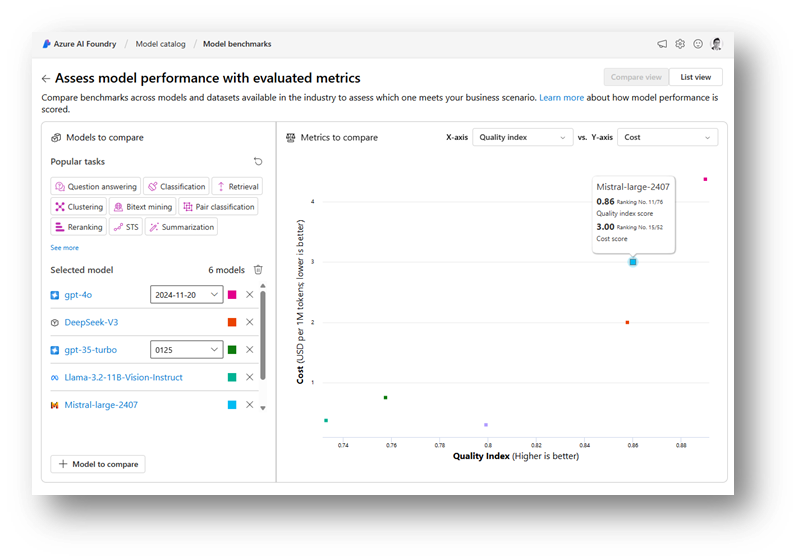
There are countless other sites where you will find benchmarking information about different models. It will boil down to the specific use case you are trying to solve. Some similar sites are:
- Opensource models: https://huggingface.co/open-llm-leaderboard
- Community-driven Leaderboard: https://lmarena.ai/?leaderboard
- Model-specific sites that compare their model with others,e.g. https://blog.google/technology/ai/google-gemini-ai/#performance
Learning and Career Path
Several students and technical folks were interested in how they could learn, sharpen their AI skills to be more industry-aligned and help them with AI-related jobs or projects. Some helpful links are below:
- There are about 100+ AI-related modules and training materials on the Microsoft Learn site: https://learn.microsoft.com/en-us/training/browse/?filter-roles=AI&roles=ai-edge-engineer%2Cai-engineer
- If you don’t know where to start, check what career path you align with or are interested in. If you can’t decide, just select any and start learning. If you understand one of the areas deeply, it is easier to switch domains later on: https://learn.microsoft.com/en-us/training/career-paths/
- Once you have some basic understanding, check this link that has more resources to help you with the AI Journey: https://microsoft.github.io/AI-For-Beginners/
Community Posts
If you want to get in touch with some of the other speakers or organisers, visit these LinkedIn posts





 Anupam Ranku